An overgrown field is one of the hardest jobs to put a price on. Topping has a rough rate per acre. Hedge cutting has a rough rate per metre. A paddock that has been left for three years, with brambles across one end and saplings coming through the rough grass, does not fit either.
The prices below are real. They are the full prices customers were shown for flailing and clearance jobs posted through Emmerdale Agriculture in September and October 2026: five jobs and 25 separate prices from contractors in Bedfordshire, Cheshire, Surrey, Cambridgeshire and Aberdeenshire.
It is a small sample and we will keep updating it. But it shows the one thing most people get wrong about clearing rough ground: the size of the field matters much less than you would think.
The short answer
- A small plot of a third to half an acre: £415 to £1,100, with most prices between £550 and £1,045.
- About an acre with brambles in parts: £280 to £690, with most prices between £520 and £635.
- Three and a half to four acres: £345 to £635.
- Seven and a half acres: a single price of £635.
- A day's work: contractors who priced by the day put a full day of flailing, including getting to site, at about £550 to £685.
Read those again. The two smallest plots drew the highest prices. A seven and a half acre field got a lower price than most of the prices for a third of an acre. Clearing rough ground is priced by how long the machine is on site, and a small, tight, overgrown plot can take as long as an open field four times the size.
Real prices, job by job
Each line is one job and every price it received, lowest to highest.
- A third of an acre, Bedfordshire: an overgrown plot. £415, £550, £715, £825, £1,100. The £415 was from a contractor not registered for VAT, using a compact tractor, who could not start for a few weeks. The £825 depended on seeing the site first.
- Half an acre, Cheshire: £160, £715, £935, £1,045, £7,080. The £935 included travel and covered flailing the grass but not the trees. The £7,080 included taking away all the waste, which makes it a different job altogether.
- One acre, Surrey: brambles in parts of the field. £280, £345, £520, £520, £520, £575, £635, £685, £690. The £280 was from a contractor nearby with a rubber tyred excavator and a flail head. The £635 was £460 plus VAT, provided it took no more than a day. The £685 was a full day including the drive to site.
- 3.7 acres, Cambridgeshire: £345, £435, £520, £520, £635.
- 7.5 acres, Aberdeenshire: an overgrown field to be cleared. £635, including the travel charge.
Some contractors included VAT and some did not. We have not adjusted for that. Check before you compare, because on a £550 job VAT is £110.
Why size matters less than you think
A flail on a tractor or excavator works at the speed the growth allows. On short rough grass it covers ground quickly. In waist high brambles with saplings and hidden rubbish it crawls. So the questions that set the price are:
- How thick and woody is it? Grass and soft weeds flail quickly. Brambles are slower. Saplings thicker than a thumb need a heavier machine, often a forestry mulcher or a saw before the flail.
- Can a tractor get in and turn round? A small plot behind houses may only take compact kit, and compact kit is slow. A narrow gateway can rule out the faster machines entirely.
- What is hidden in it? Old fencing wire, tyres, rubble and stumps damage a flail. Contractors who have been caught out before price for the worst, unless they have seen the site.
- How far is it? Clearance kit is often moved on a trailer. An hour each way is two hours paid before the job starts, whatever the size of the field.
- Is the waste staying or going? A flail chops everything and leaves it where it falls. Taking it away means a grab, a trailer, tipping fees and sometimes a skip. In this sample that was the difference between about £1,000 and over £7,000 for the same half acre.
This is why a price per acre is not much use for clearance. For a first cut of neglected ground, think in days. Most of the contractors in this sample were pricing somewhere between half a day and a full day of a machine and driver.
Flail, mulcher or excavator?
- A tractor with a flail mower suits rough grass, nettles, docks and light brambles on open ground. It is the cheapest option where it can get in.
- A compact tractor and flail gets into small plots and through garden gates. It is slower, so a small job can take as long as a bigger open one.
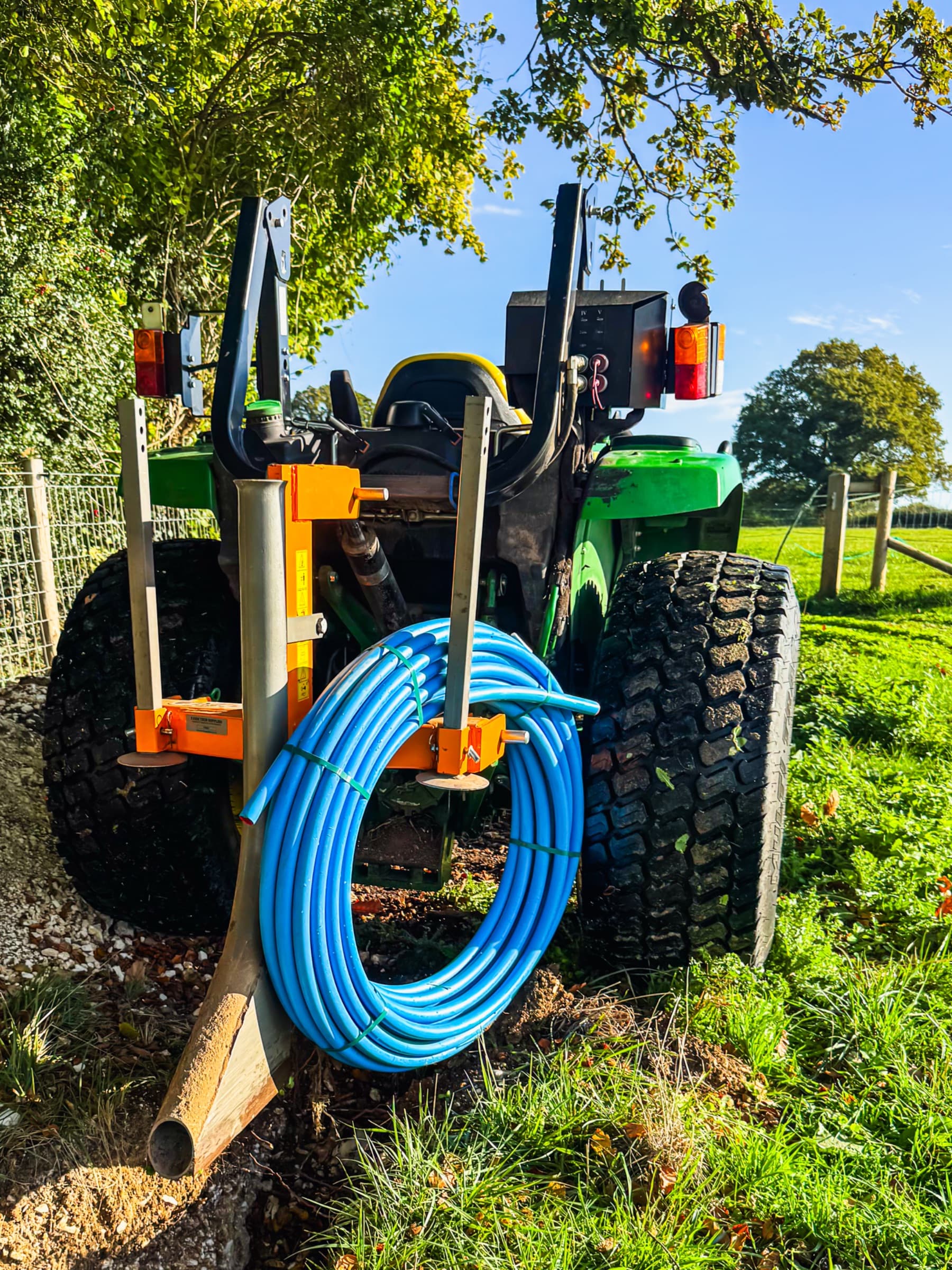
- An excavator with a flail head reaches over banks, ditches and into corners, and can lift and drag out rubbish as it goes. It is good on steep or awkward sites and on brambles growing through fences.
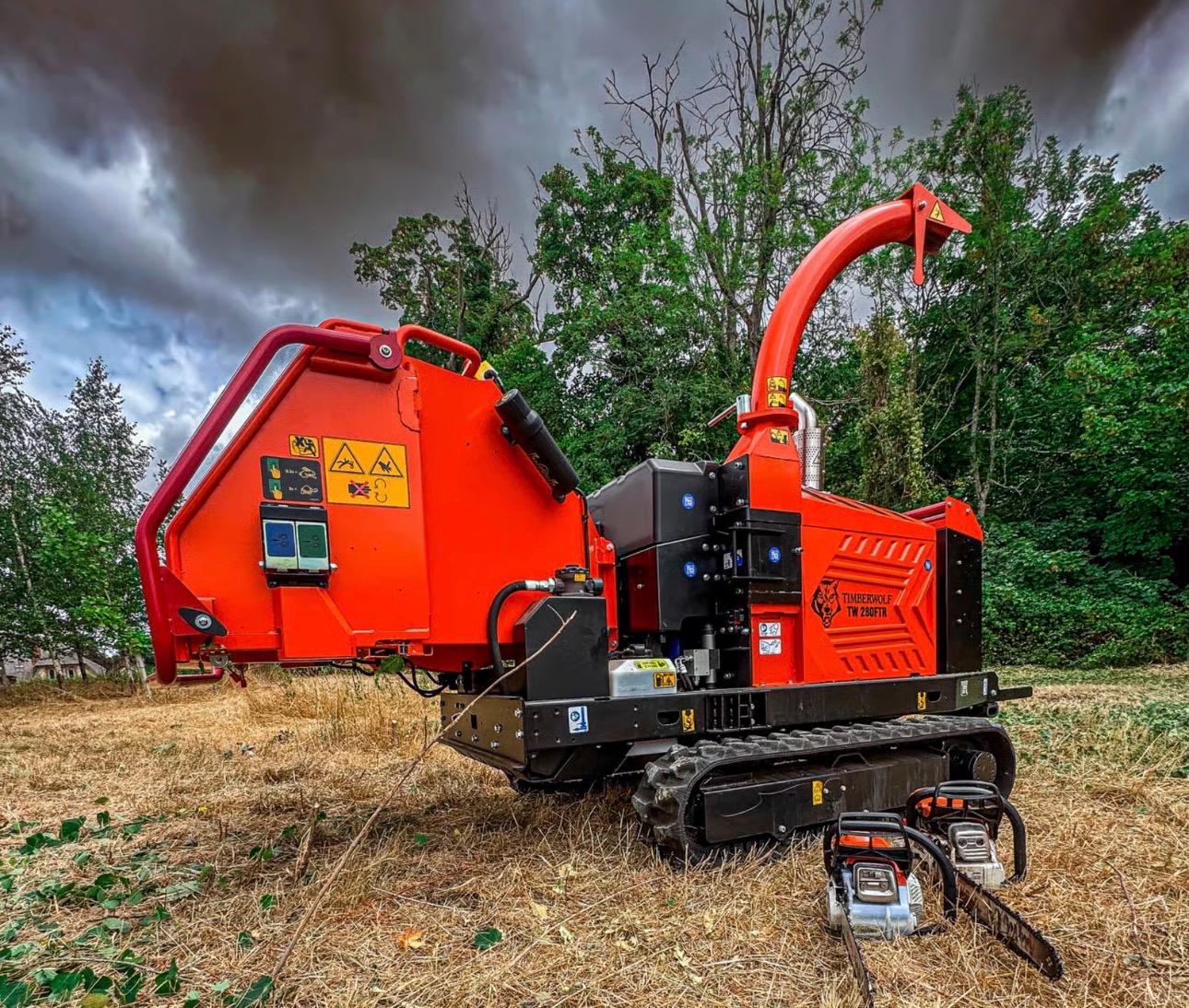
- A forestry mulcher grinds saplings, scrub and small trees into mulch. It is the right tool once the growth is woody, and the most expensive to bring out.
If you are not sure which you need, describe the growth honestly and send a photo. Contractors will tell you what they would bring, and the prices will make more sense.
When to clear it
Winter is the usual time to clear scrub and brambles, and there is a good reason beyond the weather.
- Nesting birds. Under the Wildlife and Countryside Act 1981 it is an offence to damage or destroy an active nest, and brambles and scrub are full of them from March to August. Clearing between September and February avoids the problem. Most contractors will not flail thick scrub in spring without checking it first.
- Ground conditions. Mid winter can be too wet for a tractor. Late autumn and dry spells in February are often the best windows. An excavator on tracks copes better with soft ground than a tractor on tyres.
- What comes next. Flailed brambles regrow from the roots. If you want grass back, plan a follow up: topping through the next summer, weed control on the regrowth in spring or early autumn, and overseeding once the ground is clear.
How to get a better price
- Send photos. Nothing helps more. A photo of the worst corner and the gateway answers most of what a contractor would otherwise guess.
- Say how long it has been left. One year of rough grass and five years of brambles are very different jobs.
- Mention what might be hidden. Old fencing, wire, rubble, stumps, drains and anything you have been told is buried there.
- Measure the gateway. It decides what machine can get in.
- Say what happens to the waste. Left as mulch, piled for burning, or taken away. Each is a different price.
- Be flexible on the date. "Any time before the end of February" lets a contractor fit you in when they are already working nearby.
- Check what each price covers. VAT, travel, a fixed price or a day rate, and whether it depends on a site visit.
Get prices for your field
Tell us about your field: where it is, roughly how big, what is growing on it and how long it has been left. It goes to contractors who cover your area, who send back their prices, and you choose. Nothing is booked until you accept a price, and there is no obligation to go ahead.
For more on the job itself, see flailing and land and ditch clearance. For what routine paddock work costs once the field is back, see real paddock topping prices and what weed spraying costs.
Quick answers
How much does it cost to clear an overgrown field? From real jobs in autumn 2026: a third to half an acre mostly £550 to £1,045, about an acre with brambles mostly £520 to £635, and three and a half to seven and a half acres £345 to £635. Taking the waste away costs far more than leaving it as mulch.
How much does flailing cost per day? Contractors in this sample put a full day of flailing, including travel, at about £550 to £685.
Why does a small plot cost as much as a big field? Because clearance is priced by time on site. A small, overgrown plot with tight access often needs compact kit, which is slow, and the travel costs the same whatever the size.
When is the best time to clear brambles? Between September and February, outside the bird nesting season. Choose a dry spell so the machine does not damage soft ground.
Will brambles grow back after flailing? Yes, from the roots. Regular topping through the following summer, and spraying the regrowth if needed, stops them taking over again.