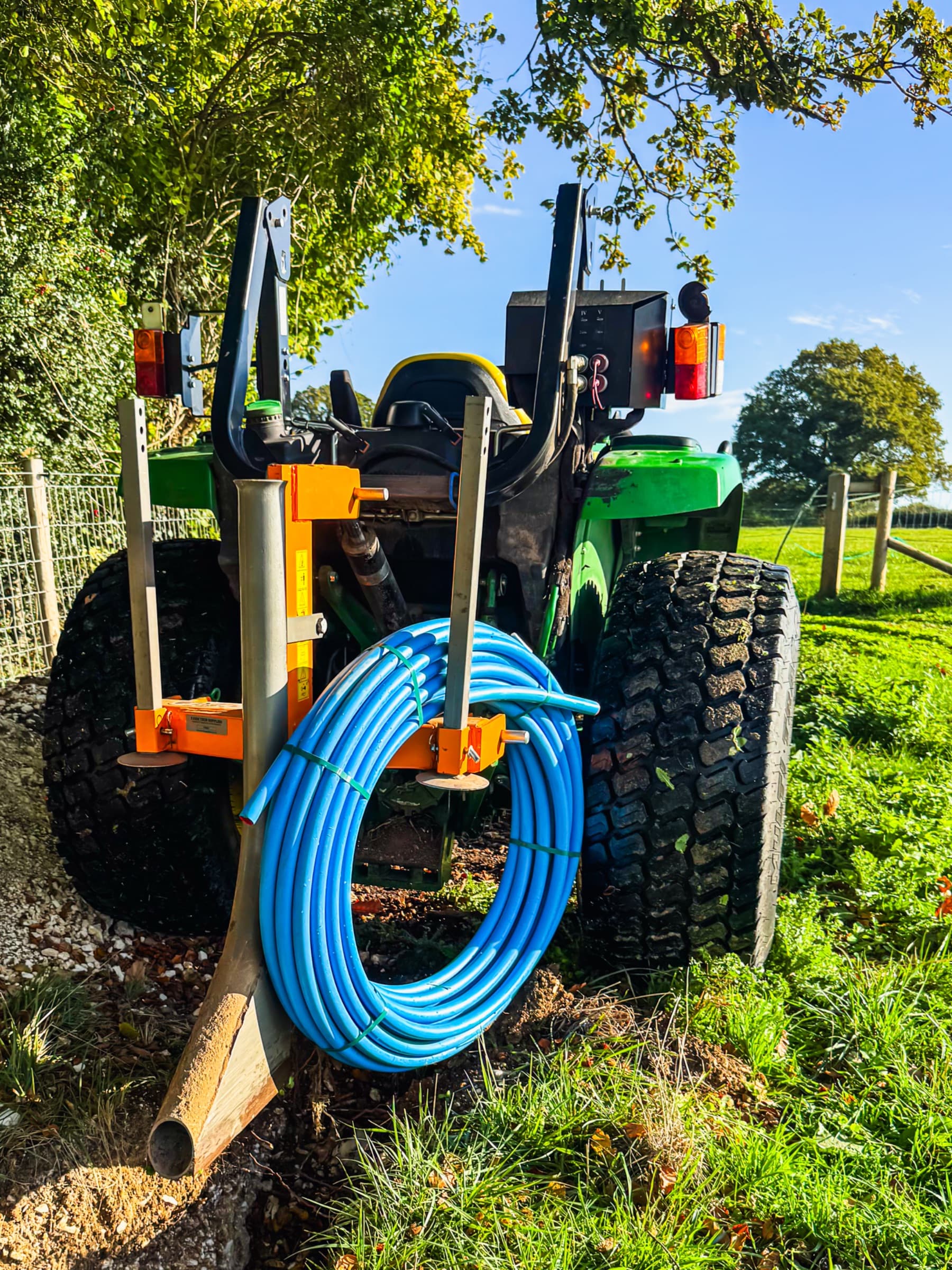
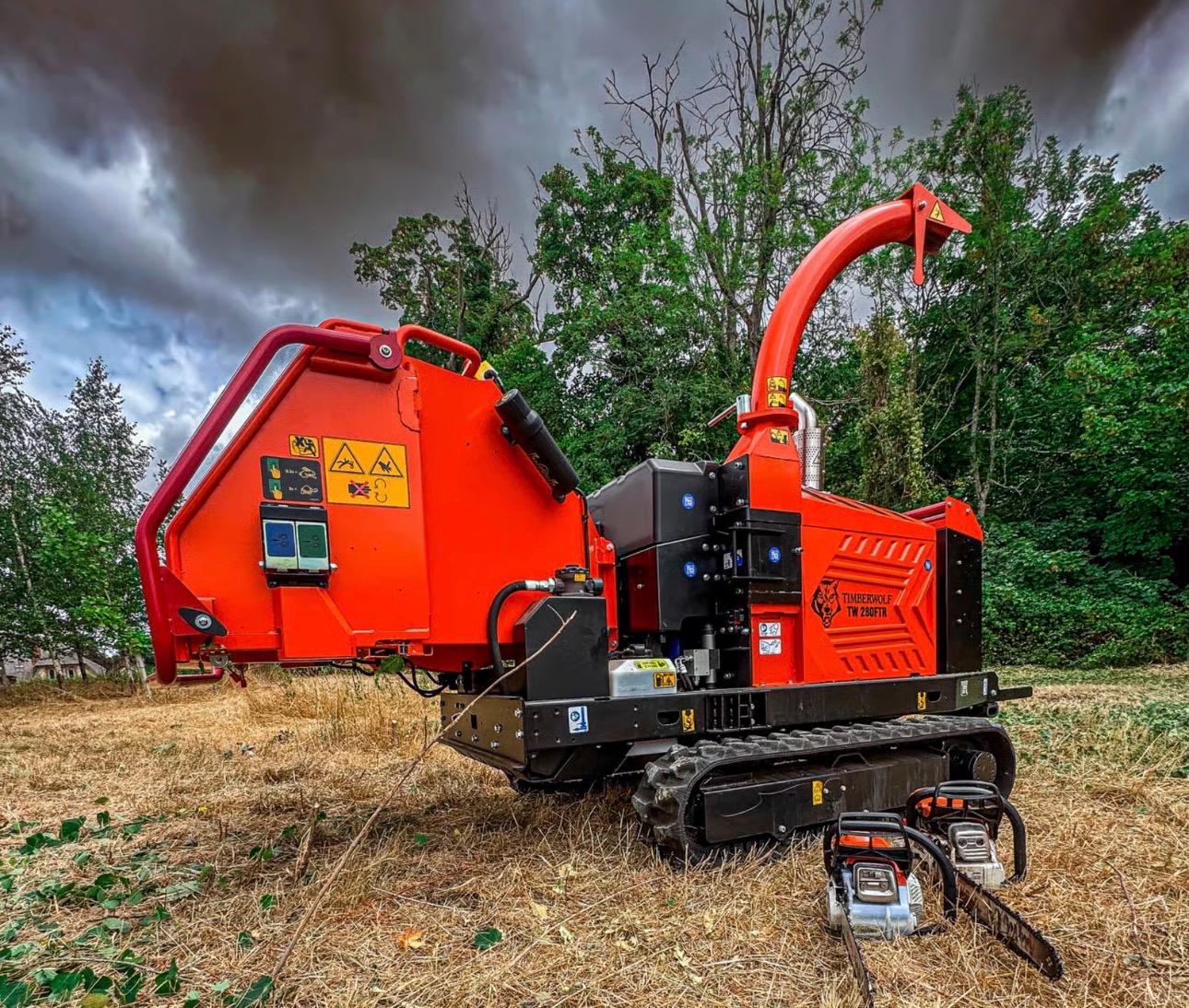
If you cut and split logs to sell, the rules on red diesel changed this year, and the change came about because one firewood business took HMRC to court and won.
The full story is in the Forestry Journal. This is the short version, and what it means if firewood is part of your work.
What happened
In April 2023 HMRC officers visited the yard of Eco Dry Energy, a firewood business that processes and dries timber. They tested the fuel in nine machines, including telehandlers, tractors, diggers and a generator. All nine were on red diesel, because the business believed its work counted as forestry. HMRC did not agree. It seized the machines, released them once the business paid an assessment of around £5,500, and told it to run on white diesel from then on.
At the time, HMRC's own guidance, Excise Notice 75, said that kind of work did not qualify. The owner, James Patmore, argued that the law itself is wider than the guidance. The Hydrocarbon Oil Duties Act 1979 allows red diesel for "purposes relating to forestry", and he said cutting and drying felled timber into firewood is exactly that. HMRC's internal reviews turned him down, so he went to court.
In August 2025, at Northampton Magistrates' Court, the judge found for the business. Taking timber felled in a forest, moving it somewhere else and turning it into firewood for heating is forestry, and the seizure was unlawful.
What changed
On 1 April 2026 HMRC updated Excise Notice 75 to match the ruling. The guidance now accepts that simple cutting and drying of harvested logs for firewood is a forestry purpose, along with eligible machines moving logs to and from cutting, drying and storage.
It is worth being clear about what that is. It is not a new relief. The law has not changed. HMRC's guidance now says what the court decided the law already meant.
Why it matters
The difference between red and white diesel is about 43p a litre in duty alone. On that gap, as a rough guide:
- 10,000 litres a year is about £4,300
- 50,000 litres a year is about £21,400
- 100,000 litres a year is about £42,800
For a small firewood operation running a tractor, a processor and a telehandler through the winter, that is real money. It is the difference between a new splitter or another year with the old one.
The two questions that decide it
Red diesel is never about the fuel. It is about the machine and what the machine is doing at the time. Every machine has to pass both:
- Is the machine allowed? Not every vehicle or machine can use red diesel, whatever the work. A road lorry does not become eligible because it is carrying logs.
- Is the work allowed, right now? Cutting, splitting, drying and moving logs around the yard can be. The same tractor doing something else an hour later may not be.
If either answer is no, it needs white diesel.
What the ruling does not cover
- Delivering on the road. The judgment does not extend red diesel to haulage. Your delivery lorry or van stays on white.
- Making other things from timber. Notice 75 gives fencing and furniture as examples of manufacturing, not forestry. Cutting posts and rails on the same yard is not covered just because the logs are.
- Woodchip. Recognised where it comes from timber the business harvested itself.
- The grey areas. Bought-in chip, pellets, briquettes, charcoal and kindling, and yards that do a mix of everything, are not settled by this case.
Eco Dry Energy mostly bought its timber in, and still won. Other businesses' facts will be different, so read the guidance against what you actually do.
Keep records
If a machine does some qualifying work and some that is not, the burden is on you to show which was which. The Forestry Journal piece suggests keeping, for each machine:
- what it was used for, and where
- any time spent on the public road
- what the yard produced
- fuel bought, and which tank it went into
None of that is complicated, and it is a lot easier than arguing with an officer standing next to your telehandler with a test kit. If your work does not clearly fit, get advice before you fill up, not after. This note is a summary, not tax advice, and Notice 75 is the place to check.
Firewood is rarely the only job
Most people splitting logs to sell are doing something else for most of the year. Tree surgery, hedge cutting, clearance, fencing, paddock work. The logs come off the back of that work, or fill the quiet weeks.
That other work is what Emmerdale Agriculture is for. Horse owners, smallholders and landowners post jobs with us, from hedge cutting and land clearance to tree felling, log splitting and paddock topping, and they go to contractors in the county and within reach. You price what suits you and pass on the rest. Joining is free and there is nothing taken off your price. If you cut timber for a living, join free and see what comes up near you.