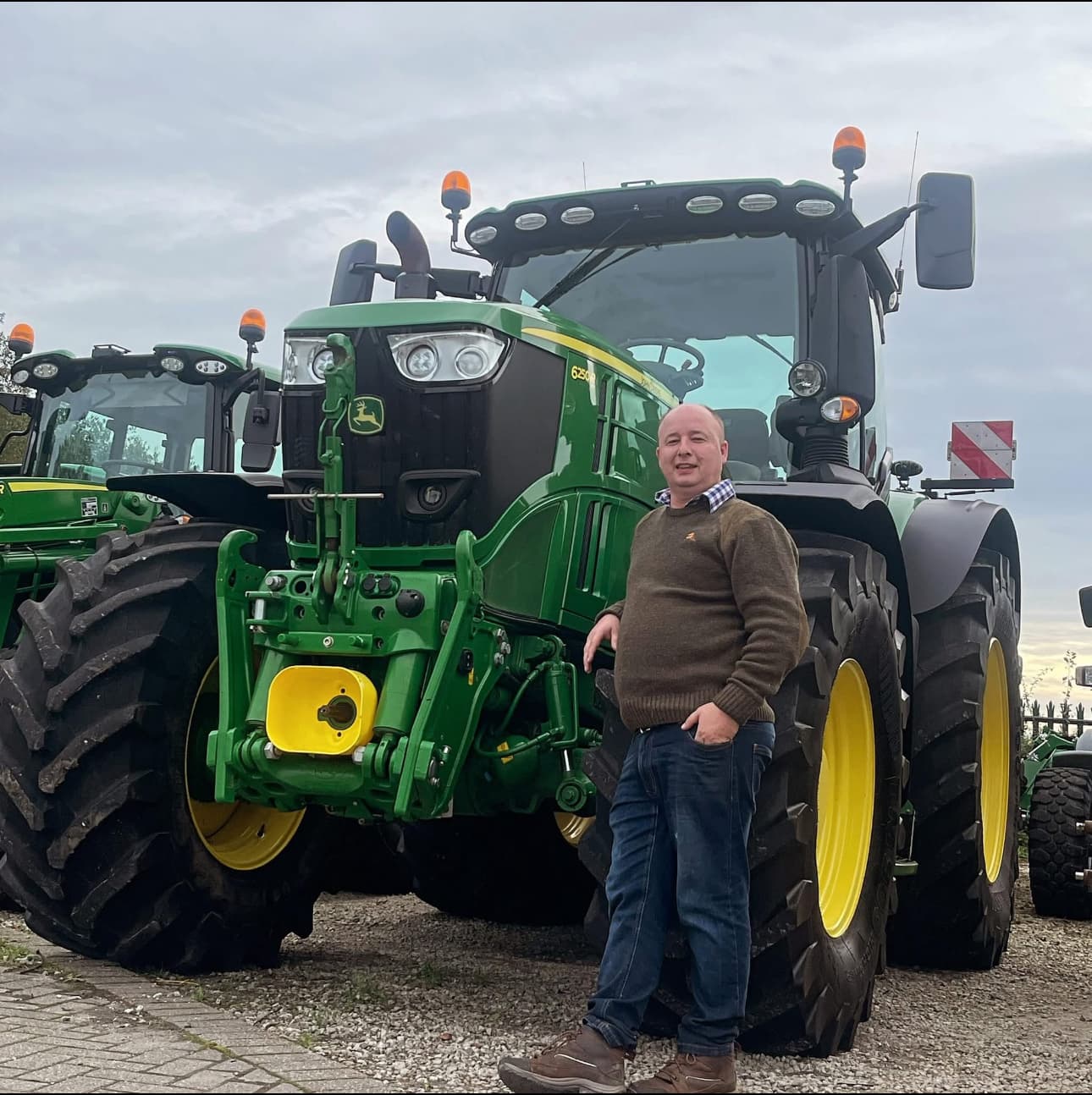
Most of the machinery on a farm sits still for most of the year. The topper comes out for a few weeks, the hedge cutter for a few more, the harrows for a fortnight in spring and autumn. In between, it is in the shed, paid for, insured, serviced, and earning nothing.
A few miles away there is a horse owner with three acres of long grass and no tractor, a smallholder who needs a hedge taken back before the birds nest, and a livery yard that wants its paddocks harrowed and rolled. Small jobs, an hour or two each, and nobody local to do them. That is what comes through Emmerdale Agriculture every day, and it is work that anyone with the right kit and the skill to use it can pick up, in the gaps, without changing anything about how they already farm. Joining is free.
The jobs range in size, but many are small, and that is the point
In the last two months 127 jobs were posted across 46 counties. Here is what people asked for most:
- Paddock topping was the most common piece of field work. A couple of paddocks, grass gone to seed, needs cutting before winter.
- Hay and straw, by the handful of bales, delivered. The single biggest category this autumn.
- Weed control: ragwort, docks, thistles and nettles, by spray or by topping.
- Tractor hire for an occasion: driving a tractor at a wedding or taking someone's daughter to the school prom.
- Hedge cutting, now the season is open. Field boundaries, a long roadside hedge, the overgrown one at the bottom of the paddock.
- Harrowing and overseeding, mostly on horse paddocks that have been poached over winter.
- Flailing and clearance: a paddock that has been left a few years and gone to scrub and small trees.
- Muck spreading, with the muck supplied or without.
Where the customer told us the size, half the jobs were three acres or under and nine in ten were under ten acres. These are not farm-scale contracts. They are jobs a farmer would do for a neighbour, if the neighbour knew to ask. The difference is that these customers do not know a farmer, so they ask us, and we ask you.
What "no extra effort" actually means
We will not pretend the work does itself. You still have to hook up the topper and go. But everything around the work is already in place:
- The kit is already bought and already sitting on the yard. A topping job is three hours of a machine that would otherwise be parked.
- The skill is already there. You have topped, harrowed and cut hedges on your own ground for years. The customer's three acres are no different, except they will be delighted with it.
- The customer is already found. No website, no adverts, no sign at the end of the lane. The job arrives in your inbox with the postcode, the size, what they want done and when.
- The money is already handled. The customer pays a deposit before you go, we collect the balance, and you are paid your full price. You never send a customer an invoice and you never chase one.
What is new is one email when a job is posted in your area, and one tap on it. That is the whole of the extra effort until you decide to take a job on.
How it works
- Sign up and pick your counties. Tell us where you are, which counties you will work in and what machinery you have. We check who you are and that you run a working business, and we speak to you before any job reaches you. A farm is a working business.
- Jobs arrive by email. When someone within reach of you posts a job, you get it: what they want, roughly how big it is, the postcode and when they would like it done. Jobs go to contractors in the county and within 40 miles, so you only see what is close.
- Price it or pass. One tap either way. If it fits in the diary, give a price and a line about when you could do it. If it does not, pass. Passing is free and does not count against you, and nobody expects you to take everything.
- The customer books. They see each price on its own, with the contractor's note and rating, and choose. If it is you, they pay a deposit and you get their details to arrange a day.
- Do the job and get paid. Mark it complete, send us your invoice, and you are paid your full price once the customer's balance has cleared.
You keep the price you quote
There is no joining fee and no monthly fee, and nothing is taken off your invoice. Our margin is added on top of your price and paid by the customer. If you want £150 to top a couple of paddocks, you are paid £150.
That also means there is no cost to being on the network and taking nothing. If the diary is full with your own work from May to August, let the emails come and pass on all of them. When things go quiet in the autumn, start pricing again.
Fit it around the farm
The customers who use us are in no hurry by farming standards. Most topping jobs can wait a week for a dry day. Harrowing can be done whenever you are next passing with the tractor. Hedge work has a six-month window. So the jobs fit around your own work rather than the other way round: top the neighbour's three acres on the way back from your own field, or spend one wet-ish afternoon doing two small jobs in the same village.
The customers also come back. A horse owner who had paddocks topped in September wants them harrowed in March and topped again in June, and when they post the next job they can ask for the same contractor. A couple of odd jobs a year each, across a few yards within ten miles, is a steady few thousand pounds for machinery you already own.
What you need
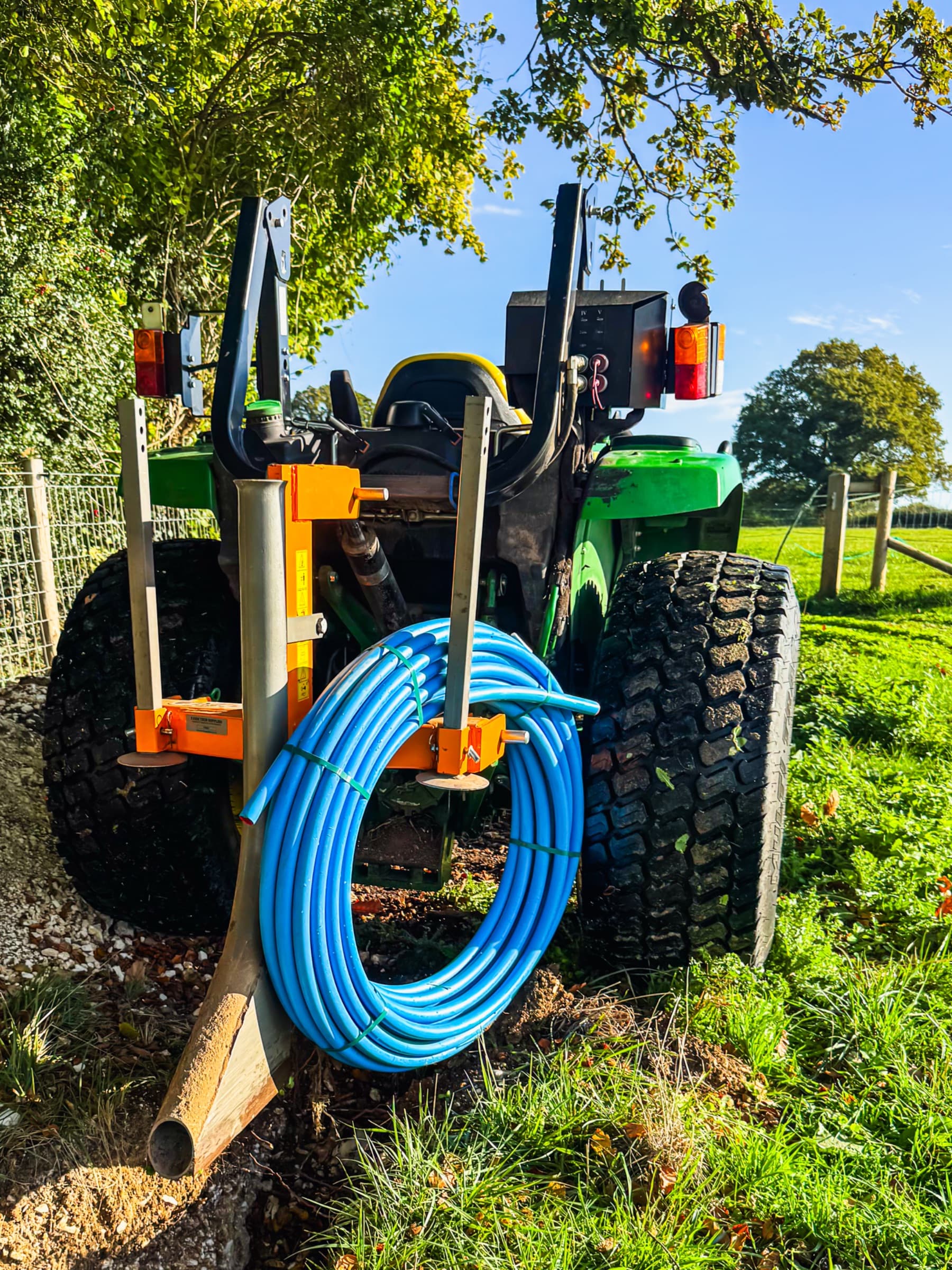
- A tractor and at least one implement that does a job people ask for: a topper or flail, a set of harrows and a roller, a hedge cutter, a sprayer and the certificate to use it, a trailer, a post knocker.
- A phone that gets email, so you see jobs when they are posted and can price them before somebody else does.
- A clear line in each price about when you could come and what you would bring. The note is what customers read, and it is what wins the job.
You do not need a trading name, a website or any sales effort. If you already farm with your own machinery, you have everything the customer is looking for.
Jobs wanted in every county
Around one in five of the jobs posted in the last two months received no price at all, from anyone. The customer was there, the work was there, and the contractors within reach either had no time or no suitable kit. If you have machinery that stands idle for part of the year, join the network, pick your counties, and we will start sending you what comes in near you.