Search for the cost of paddock topping and you will mostly find a single figure per acre, with no indication of where it came from.
This page is different. The prices below are real ones: the full prices customers were shown for paddock and field topping jobs posted through Emmerdale Agriculture in September 2026. That is nine jobs and 28 separate prices from contractors across England and Scotland.
It is not a huge sample, and we will update it as more jobs come through. But it shows how topping is actually priced far better than a national average does.
The short answer
- Small paddocks (up to about two acres): most prices fell between £185 and £450 for a single visit, with a full range of £120 to £795.
- Mid-sized fields (four to ten acres): roughly £55 to £170 per acre, with flat, well-kept fields mostly between £55 and £120 per acre.
- Large acreage (50 acres and up): about £55 per acre.
The single biggest thing to understand is that small jobs are priced by the visit, not by the acre.
Prices by paddock size
The same 28 prices, grouped by the size of the job. "Typical" is the middle price (the median), which is a better guide than the average when one or two prices are far out.
Under 1 acre (1 job, 4 prices)
- Typical: £440 a visit
- Average: £488
- Range: £275 to £795
This band is one paddock, and an overgrown one: nettles and thistles, not cut for a long time, on soft ground. A tidy paddock this size would normally cost less than the 1-to-2-acre band below, not more.
1 to 2 acres (3 jobs, 13 prices)
- Typical: £275 a visit
- Average: £343
- Range: £120 to £770
4 to 10 acres (4 jobs, 10 prices)
- Typical: £605 a job, or about £103 per acre
- Average: £685, or about £103 per acre
- Range: £55 to £169 per acre
- Flat, well-kept ground only: typically about £69 per acre
50 acres and over (1 job, 1 price)
- £56 per acre (£3,080 for 55 acres)
The pattern is clear even from a small sample. Below about two acres you are paying for a visit, and the per-acre figure means little. Somewhere around four or five acres, pricing switches to per acre, and the rate keeps falling as the job gets bigger.
Real prices, job by job
Each line is one job and every price it received, lowest to highest:
- 0.75 acres, Lancashire: nettles and thistles, not cut for a long time, soft ground. £275, £440, £440, £795.
- 1 acre, North Yorkshire: £120, £120, £185, £185, £210, £275, £330, £550.
- 1.5 acres, Somerset: flail topping. £235, £385, £440.
- 2 acres, South Yorkshire: soft ground. £660, £770.
- 4 acres, Shropshire: £290, £660.
- 5 acres, East Sussex: flail topping. £330, £465.
- 7.8 acres, Cumbria: steep ground with rushes. £880, £925, £935, £1,320.
- 9 acres, Shropshire: two adjoining paddocks. £495, £550.
- 55 acres, North Lanarkshire: £3,080.
Some contractors included VAT and some did not; a few did not say. We have not adjusted for that, which is itself a good reason to check before comparing (more on that below).
Why small paddocks cost more per acre
Look at the one-acre paddock in North Yorkshire. Its cheapest price, £120, was twice what the nine-acre Shropshire field cost per acre (£55 to £61). Most of its prices were around £200.
That is not anyone overcharging. A contractor has to load a tractor and topper, drive to you, unload, get through your gate, and do the same in reverse. That fixed cost is the same whether the paddock is one acre or five. Most contractors therefore have a minimum charge, and on a small paddock the minimum is the price.
Once a job is big enough to take a few hours, the per-acre rate takes over and falls quickly. The 9-acre and 55-acre jobs came in at almost the same rate per acre, £55 to £61, because at that size it is mostly time in the seat.
Why the same paddock gets very different prices
The one-acre North Yorkshire paddock drew eight prices, from £120 to £550: the same field, and more than four times the difference.
The usual reasons:
- Distance. A contractor two miles away can price low and still make it worthwhile. One thirty miles away has to cover the journey.
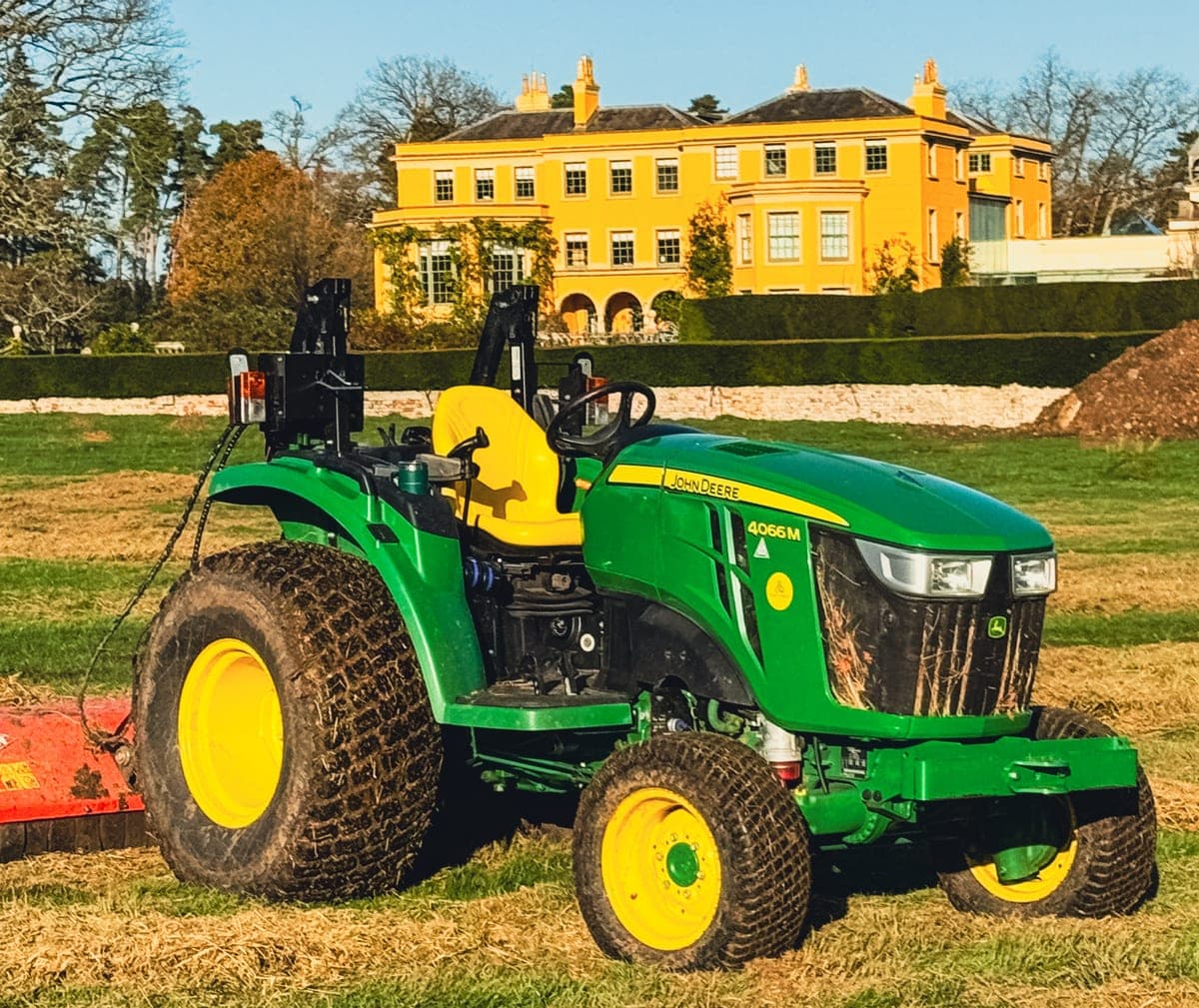
- Kit. A compact tractor with a small topper suits a small paddock. A large tractor and a wide flail mower is quicker on big fields, but costs more to bring out for an acre.
- How busy they are. A contractor with a free afternoon nearby prices differently from one fitting you around harvest.
- VAT. On a £300 job, 20% is £60, which is often the whole difference between two prices.
This is the main reason to get more than one price. On four of the nine jobs above, the highest price was close to double the lowest, or more.
What pushes the price up
The jobs that cost the most per acre had something in common: the ground or the growth made the work slower.
- Long or rank growth. Grass that has been left, or has gone to nettles, thistles and docks, takes longer and is harder on the machine. The 0.75-acre Lancashire paddock, not cut for a long time, drew prices up to £795.
- Soft ground. Wet paddocks need care to avoid rutting, and sometimes a lighter machine.
- Slopes and rushes. Steep ground is slower and needs more caution, and rushes are tough on a topper. The steep Cumbria field with rushes came out at £112 to £169 per acre. The flat nine acres in Shropshire were £55 to £61.
- Access. Narrow gates, soft gateways, low branches and awkward tracks all add time.
- Obstacles. Trees, fence lines, water troughs, jumps and electric fencing all mean careful work around the edges.
- Collecting the cuttings. Leaving the cuttings where they fall is the default. Collecting or removing them is a different, slower job and costs more.
How to get a better price
- Keep on top of it. Regular topping of a paddock in reasonable order is quick work. Rescuing a field that has been left for a season or two is not.
- Club together. If a neighbour needs topping too, put the jobs together. Two small paddocks on one visit share one travel cost.
- Be flexible on timing. "Any day in the next fortnight" lets a contractor fit you in when they are already nearby.
- Give an accurate area. A guess of "about three acres" that turns out to be five causes trouble on the day. Drawing the field on a map takes a minute.
- Say what is growing. Grass, nettles, thistles or rushes, and when it was last cut. Contractors price the unknown defensively.
- Check what each price includes. Ask whether it includes VAT, and whether cuttings are left or collected.
Flail or rotary topper?
You will see both mentioned. A rotary topper is the traditional choice for grassland and handles long grass quickly. A flail mower gives a finer finish, chops the cuttings smaller, and copes better with rough growth and the odd stick. For most paddocks either will do a good job, and the right tractor and a sensible operator matter more than the machine. If you want a particular finish, say so when you ask for prices.
How often do paddocks need topping?
It depends on grazing, growth and what you are trying to achieve, but many horse paddocks are topped two or three times between late spring and early autumn. The aim is to take off the stalky, ungrazed growth and seed heads, and to stop weeds such as thistles and docks from setting seed.
Paddocks that are topped regularly are also cheaper to top: see the point above about keeping on top of it. For what to do as the season ends, see September on the paddock.
Get prices for your paddock
Tell us about your paddock: where it is, roughly how big, and what is growing. It goes to contractors who cover your area, who send back their prices, and you choose. Nothing is booked until you accept one, and there is no obligation to go ahead.
Quick answers
How much does paddock topping cost? From real jobs in September 2026: most small paddocks (up to two acres) cost £185 to £450 a visit, and larger fields about £55 to £170 per acre, depending on ground and growth.
Is topping priced per acre? For larger fields, yes. For small paddocks, the contractor's minimum charge usually sets the price, whatever the exact acreage.
Why are prices so different for the same paddock? Travel distance, the kit the contractor uses, how busy they are, and whether the price includes VAT. On four of the nine jobs we looked at, the highest price was close to double the lowest, or more.
Does it cost more if the grass is long? Usually. Long, rank or weedy growth, soft or steep ground and rushes all slow the work down and push the price up.