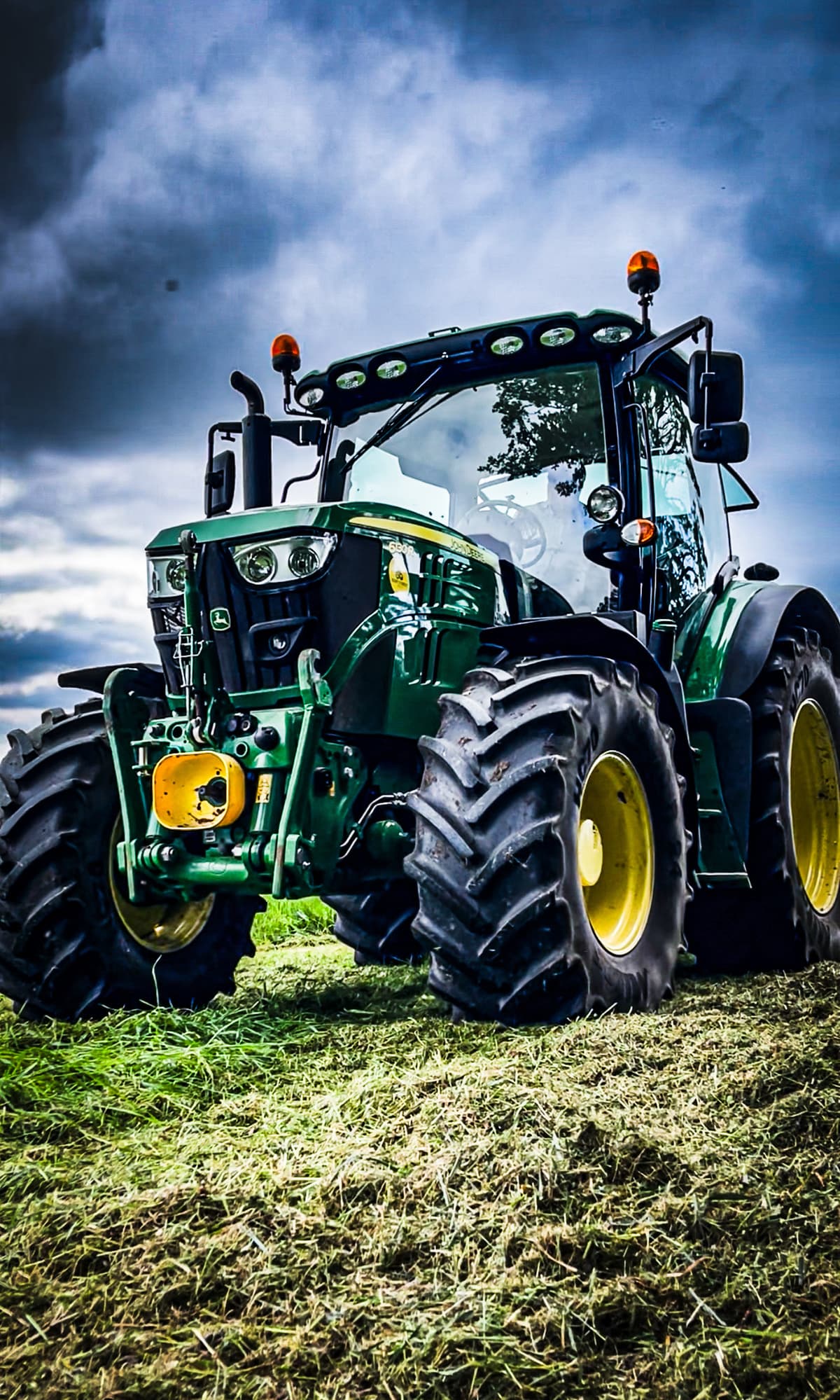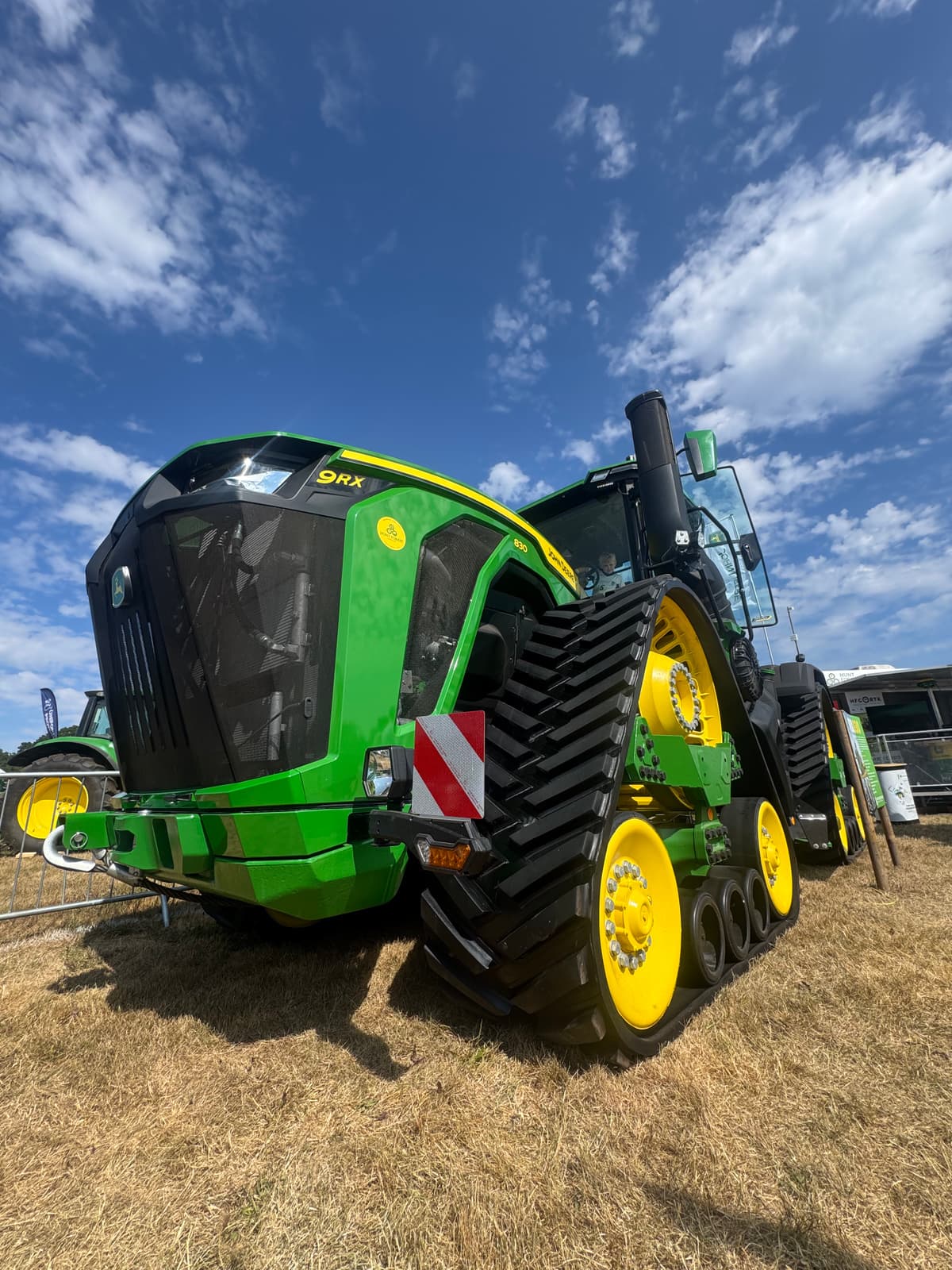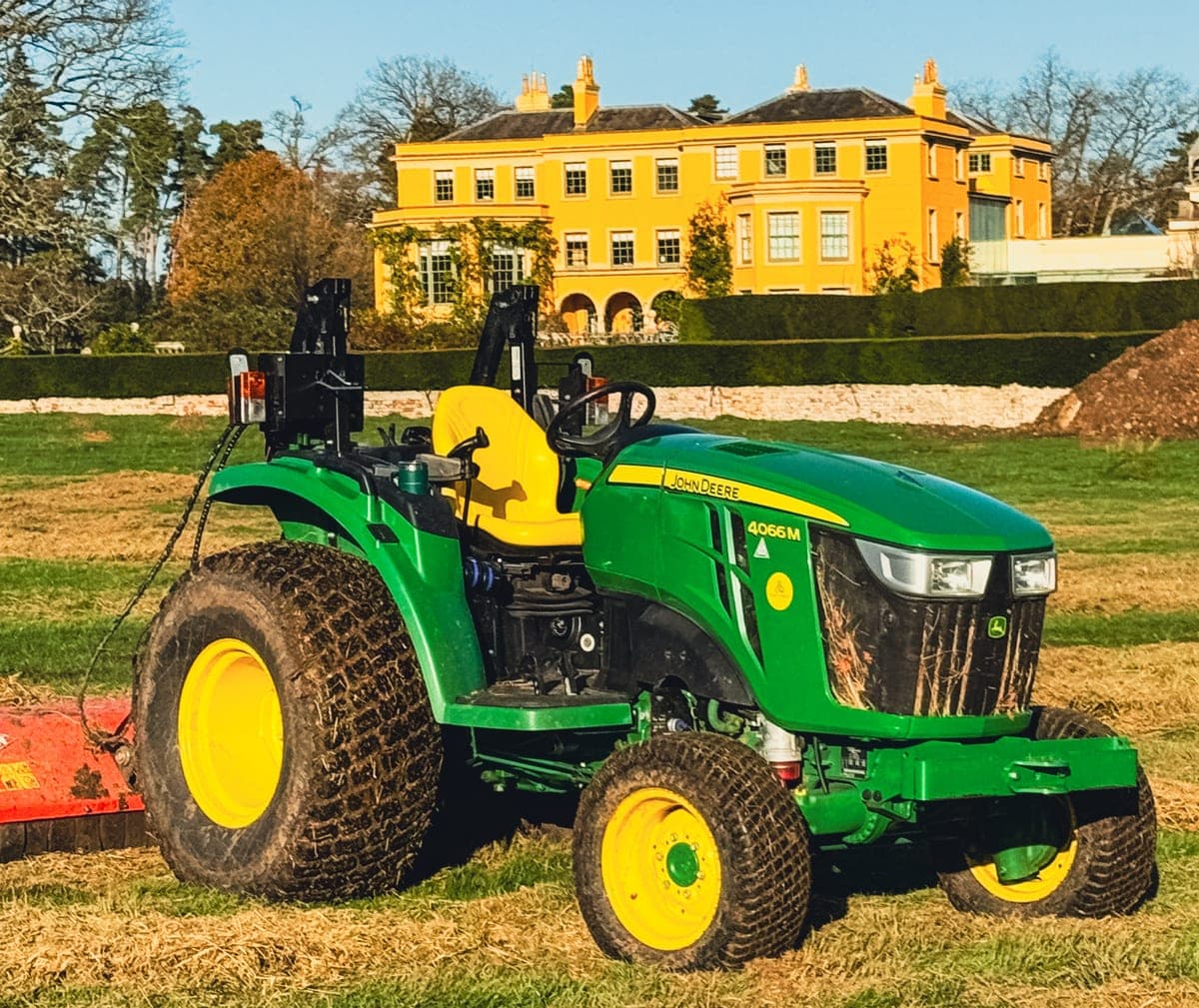
On 30 September the 250th agricultural contractor was approved onto the Emmerdale Agriculture network.
That's a milestone we didn't expect to reach this year, let alone four weeks after opening the doors to the public.
So this note is a short account of where the network stands, who those 250 contractors are, and what it means in practice for a horse owner with a tired paddock or a contractor with a tractor that could be earning more.
From a handful to 250 in a month
Emmerdale Agriculture grew out of a paddock maintenance business in Hampshire.
Through the summer we quietly brought on a few dozen contractors we already knew or had worked alongside, and used them to test how the service should work: how a job gets described, how it reaches the right people, how a customer compares prices and books.
On 6 September we opened it to everyone.
By the end of the month more than 200 further contractors had signed up and been approved, taking the network past 250. The pace hasn't slowed since.
Who the 250 are
The honest answer is: a very mixed bunch, which is exactly what paddock work needs.
A good number are owner-operators. One tractor, a flail or a topper, a set of harrows, perhaps an overseeder bought for their own ground that has capacity to spare.
Others are established agricultural contracting businesses with a full fleet, for whom paddock and estate work fills gaps between the arable and silage seasons.
There are hay and straw producers who have joined to sell bales, and operators who hire out a tractor and driver for the day, whether that's for a field job or a wedding or prom.
And there are the specialists: contractors with a flail collector, a subsoiler, a stone burier or a lime spreader, the machines that are hard to find when you need them and that make the difference between tidying a paddock and actually fixing it. We wrote about why those machines matter in our note on finding a contractor with the right kit.
Where they are
Every county in England, Wales and Scotland now has at least one approved contractor covering it.
Coverage is thickest where you'd expect: Hampshire, where we started, has the most contractors, followed by Wiltshire, Cheshire, North Yorkshire, Lancashire and Gloucestershire. West Sussex, Oxfordshire, Lincolnshire, West Yorkshire, Leicestershire and Dorset are not far behind.
Those are also, not by coincidence, serious horse country.
Each contractor tells us which counties they cover and how far they'll travel. When a job comes in, it goes to the contractors who actually cover that patch, not to a national list. A contractor in Cheshire never sees a job in Kent.
What 250 contractors means if you have a paddock
Mostly, it means choice.
When you describe a job, the contractors covering your county see it and the ones who want it send you a price. You compare, ask questions, and pick. There's no obligation to accept any of them.
With a thin network, that could mean one price or none. With 250 contractors spread across the country, most jobs now reach several, and in the busiest counties many more.
More prices is not just about paying less, though it often works out that way. It's about finding the contractor who has the right machine for your ground, is already working nearby that week, and can fit you in before the weather turns.
Two other things don't change however large the network gets:
Every job done through the service is covered by our own public liability insurance, up to £5 million. You don't have to ask a contractor whether they're insured and take the answer on trust.
You pay in two parts. A 15% deposit by card books the job. The balance is taken only once the work is done and you've confirmed you're happy. The detail is in our service charter.
What it means if you're a contractor
If you're one of the 250, thank you. The network is only as good as the people doing the work.
If you're not yet, you can join free in a few minutes. Pick the counties you cover, tell us what machinery you run, and jobs posted in your area come to you by email. There's also a Monday round-up of what's open.
The jobs posted so far have been exactly the kind the network was built for: topping overgrown paddocks, weed control, hedge cutting, harrowing and overseeding, flailing, fencing, hay and the odd tractor for a day. Our note on real paddock topping prices is built from them.
What "approved" means, and what it doesn't
Every one of the 250 was approved by a person, not a form.
Before a contractor sees a single job we check that they're a real, working contracting business and we have a conversation with them about what they do and where.
What we don't do is inspect certificates. A contractor who sprays, uses a chainsaw or operates a particular machine is responsible for holding whatever ticket the law requires, exactly as they would be for any other customer. That's their obligation as an independent business and we don't pretend otherwise.
What we do instead is stand behind the job. The insurance cover is ours, the booking runs through us, and if something goes wrong you deal with us, not with a stranger's voicemail.
What's next
The first 250 were about coverage: making sure that wherever in Britain someone has a paddock, there's a contractor who can get to it.
The next stretch is about depth. More contractors in the counties that are still thin, more of the specialist machines that are hard to find, and more hay producers and tractor hire operators alongside the paddock contractors.
If you have ground that needs work before winter, tell us about it. It takes a minute, the prices are free, and there are now more than 250 reasons to think someone nearby can help.
If you're a contractor with a machine that could be earning more, join the network. You'd be in good company.