Arriving by tractor has become one of the nicest ways to turn up to a wedding or a school prom. It gets everyone out with their phones, it photographs beautifully, and it suits a country venue far better than another white car.
It is also a slightly unusual thing to book. You are not hiring a car with a chauffeur; you are borrowing a working machine, and usually the person who farms with it, for an afternoon. A little knowledge before you ask makes the whole thing easier, and a lot more likely to go to plan on the day.
What you are actually hiring
Almost every event tractor comes with its driver. You are paying for the tractor, the operator's time and their travel, not self-drive hire. Nobody expects the groom to drive.
There are broadly three options:
- A vintage tractor on its own. A restored Fergie, Fordson or David Brown, often in the original paint. Good for photographs and a short arrival, with the couple or the prom-goer riding on or beside it.
- A tractor and trailer. The classic wedding arrival: a flatbed or livestock trailer cleaned up, decorated with hay bales and bunting, carrying the bride and bridesmaids or a group of friends.
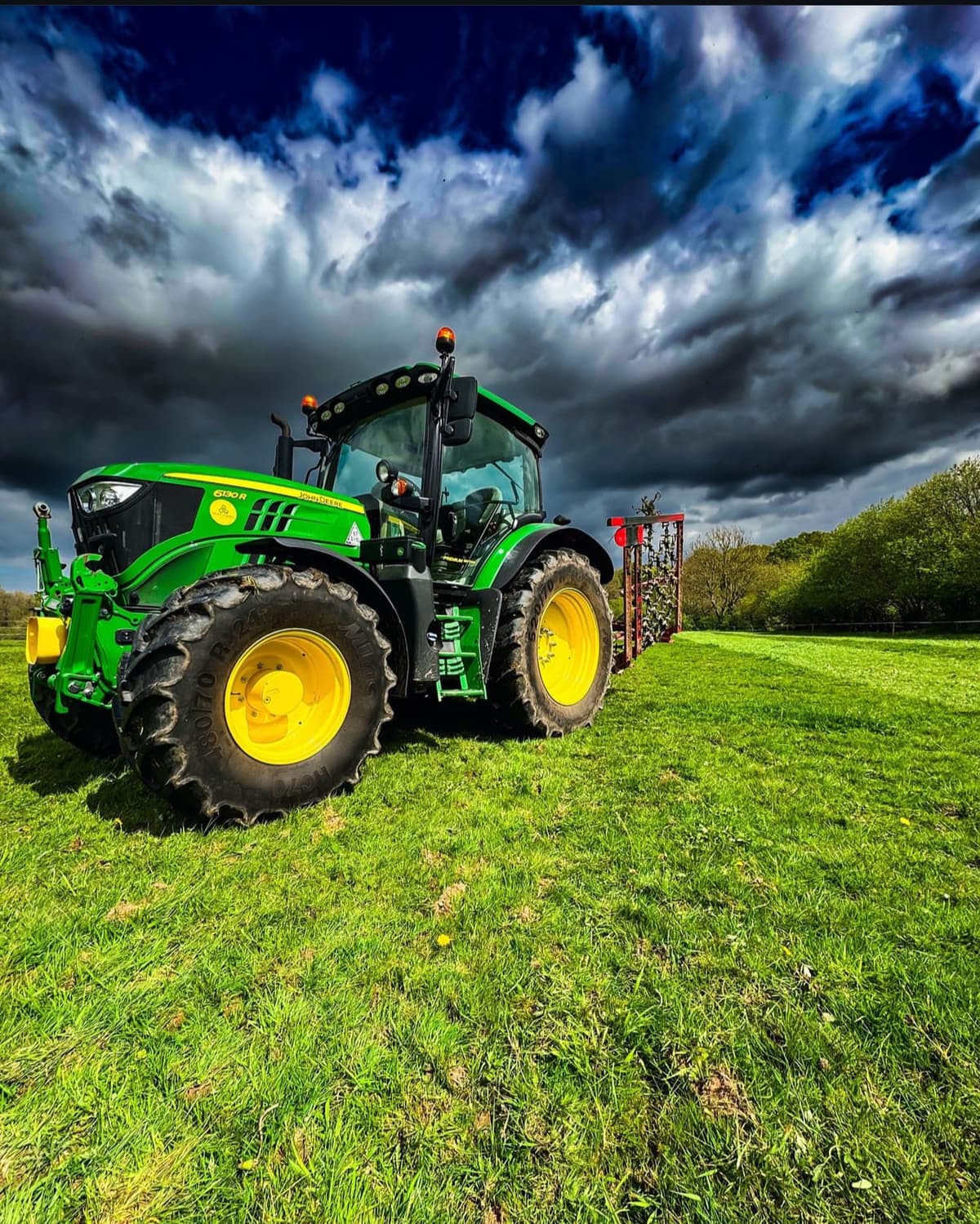
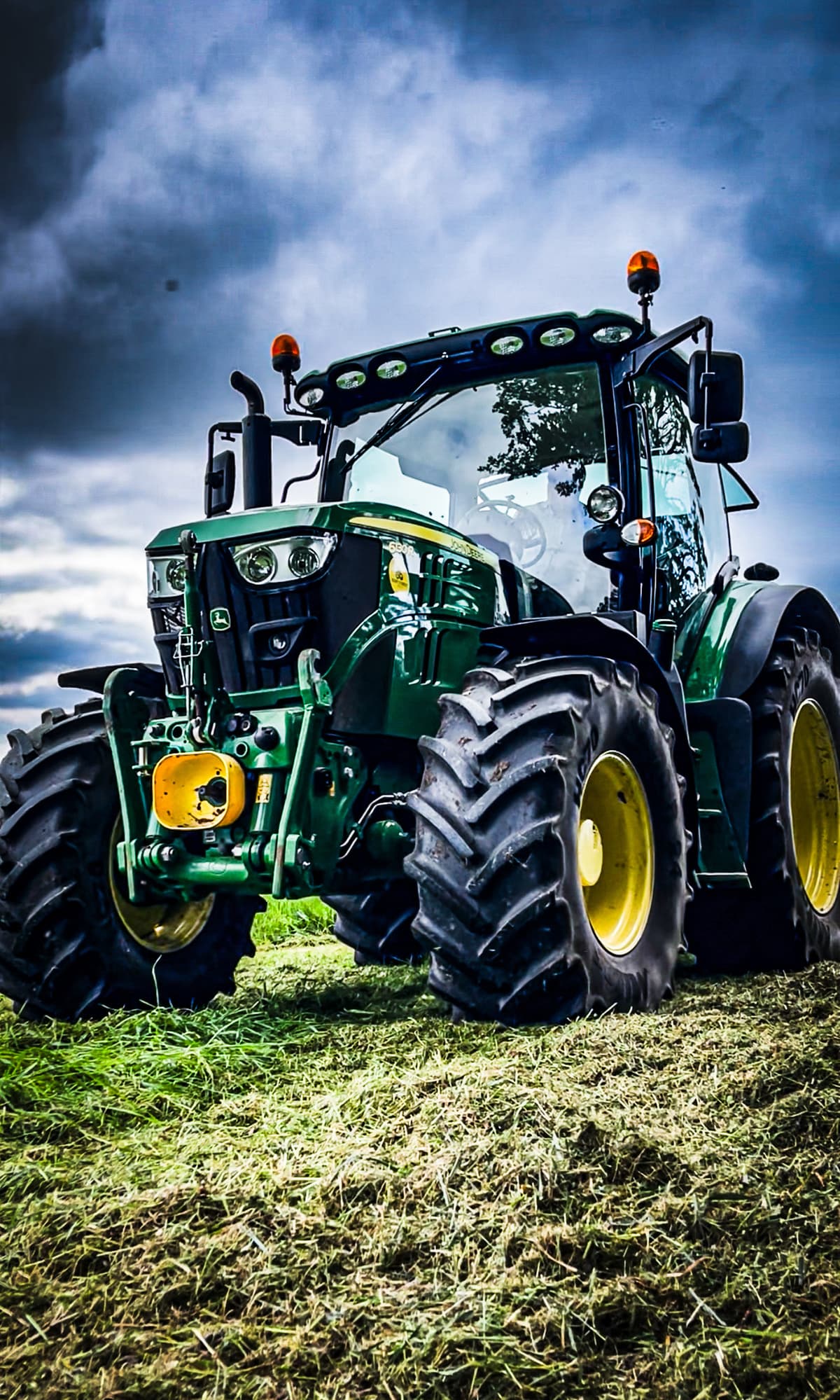
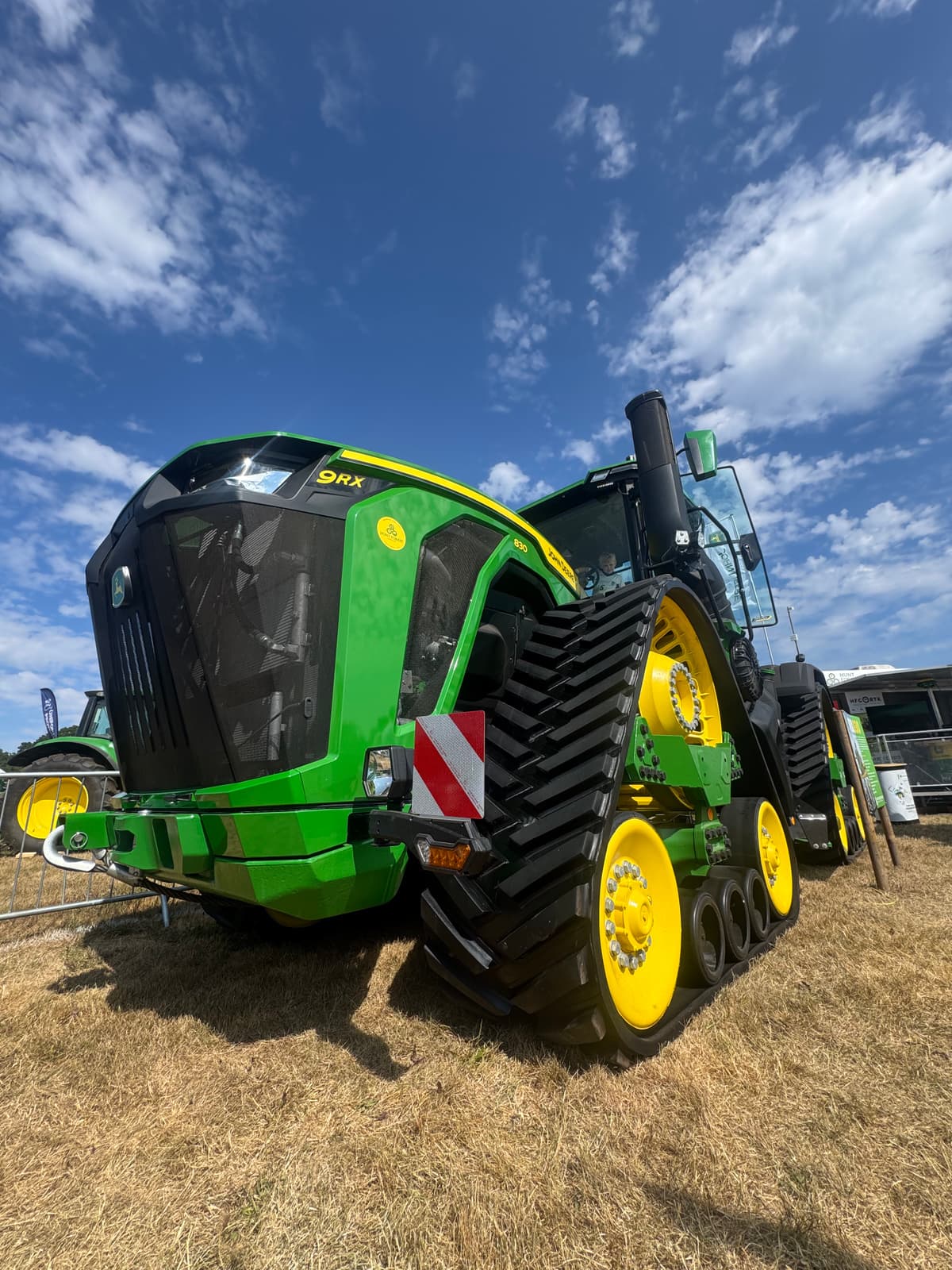
- A modern tractor. Bigger, cleaner and more comfortable, and with a proper cab for a passenger. It is often the better choice for longer distances or for a prom where the student wants something that looks enormous.
Vintage tractors are lovely, but they are slow, open to the weather and not built to carry passengers any real distance. If your church is five miles from the reception, say so up front, so the operator can tell you honestly whether a vintage machine is the right choice.
How much does wedding or prom tractor hire cost?
There is no standard price list, and anyone who quotes a single number without asking where and when is guessing. What drives the price:
- Travel to you. Tractors are slow on the road. An operator ten miles away can drive over; one forty miles away may need to bring the tractor on a lorry, and that costs money.
- How long they are with you. A single drop-off at the church is very different from a drop-off, photographs, a second run to the reception and waiting in between.
- The trailer, and what goes on it. Seating, bales, a clean deck and decorations all take time to prepare.
- The date. A Saturday in June is worth more than a Thursday in April.
- VAT. Some operators are VAT-registered and some are not, so check which basis each price is on before you compare them.
To give a real sense of the spread: the same school-prom request we handled recently drew prices of £440 and £1,100 from two different operators. One price was VAT-free and the other included it, and they were for noticeably different setups. Both were reasonable for what was on offer. That is exactly why it is worth getting more than one price, and why the detail you give at the start matters.
Book earlier than you think
This is the one that catches people out.
Most event tractors belong to people who farm or contract for a living. The weeks when everyone wants a tractor at a wedding (late May to early September) are the same weeks those tractors are busy with silage, hay and harvest. A dry Saturday in July is a working day on a farm.
Proms have the same problem, only more so. They cluster in the last week of June and the first three weeks of July, which is peak haymaking. The prom requests we see often arrive nine or ten months ahead, and the families who ask that early are the ones who get a choice.
As a rough guide:
- Summer weddings: six to twelve months ahead.
- Proms: as soon as the date is set, ideally in the autumn or winter before.
- Spring, autumn and midweek: a few months is usually enough.
Getting people on and off safely
A trailer ride looks relaxed in the photos, but it is worth a proper conversation with the operator beforehand:
- How will passengers ride? Ask whether the trailer has fixed seating, side rails and a sensible step or ramp. A wedding dress and a trailer bed are a tricky combination without a proper step.
- Public road or private land? A slow procession up a venue drive is a very different thing from a run along a main road. Some operators will only carry passengers on private land or on quiet lanes at walking pace, and you should take their lead on that.
- How fast, and how long? Most tractors are limited to 25 mph on UK roads, and vintage machines usually travel well below that. A two-mile run can easily take fifteen minutes, so build it into the timings.
- Weather. Agree a wet-weather plan, whether that is a canopy, a covered trailer or a short photo-only appearance, so nobody has to decide on the morning.
A good operator will already have thought about all of this. If they have not, that tells you something.
Check with the venue
Tractors are heavy, and venues care about their lawns. Before you book, ask the venue:
- whether a tractor and trailer is allowed on site, and where it can drive and park;
- whether there are gates, cattle grids, low branches or tight turns on the way in;
- whether they need the operator's details in advance.
After a wet week, a field car park or a lawn can rut badly. Most venues are happy to say yes, but they like to be asked first.
What to tell an operator in your first message
The more of this you include, the more accurate the prices you get back will be, and the fewer emails it takes to get there:
- the date and rough times (arrival, ceremony, any second run);
- pickup and drop-off addresses, or at least the towns and venue names;
- the occasion, and roughly how many people will ride;
- vintage or modern, and whether you want a trailer;
- any decoration you have in mind, and whether you will supply it;
- anything awkward about access at either end.
For example, "Vintage tractor and trailer to bring the bride and three bridesmaids from her parents' farm to the village church for 2pm, about three miles, then the couple from the church to the barn at 3.30pm, half a mile, on Saturday 12 June." That is everything an operator needs to price it properly.
Questions worth asking before you say yes
- Is the driver the owner, or someone they employ, and have they done events before?
- What exactly is included: travel, waiting time, decoration, a second run?
- What happens if the tractor breaks down or the weather turns?
- Is the price with or without VAT?
- Do you want a deposit, and what is the cancellation arrangement?
How to find a tractor for your wedding or prom
Emmerdale Agriculture works with agricultural contractors and farmers across England, Wales and Scotland. Many of them have exactly the kind of tractor that turns up well at a wedding.
Tell us about your event: the date, where you need picking up and dropping off, and what you have in mind. It goes to operators who cover your area, they send back their prices, and you choose. Nothing is booked until you accept one, and your contact details only go to the operator whose price you pick.
There are local pages too if you would like to start with your county, for example Devon, Gloucestershire or Essex.
Quick answers
Can you hire a tractor for a wedding? Yes. It is usually a vintage tractor, or a tractor and decorated trailer, with an experienced driver included.
Can you hire a tractor for a prom? Yes, and it is increasingly popular. Book early, because prom season falls in the middle of haymaking.
Do I have to drive it? No. The operator drives. Event hire is almost always with a driver.
How far can a tractor take us? A vintage tractor is best kept to a few miles. For longer distances, ask about a modern tractor, or about moving the tractor on a lorry and using it just for the arrival.
How much does it cost? It depends on distance, duration and setup. As one real example, a single school-prom request drew prices of £440 and £1,100 from two operators.